
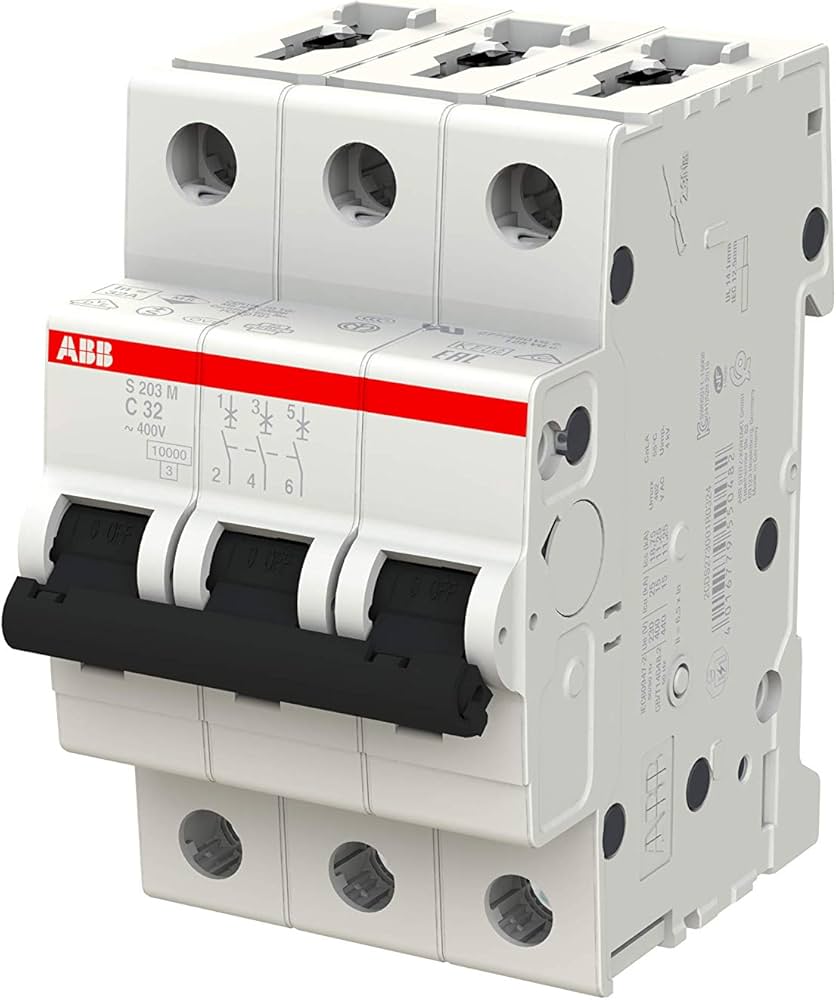
In modern electrical networks - ranging from residential installations to complex industrial and utility systems - fault protection is a fundamental requirement for ensuring operational safety and system integrity. Among all protective devices, the circuit breaker plays a critical role in detecting, interrupting, and isolating fault conditions before they escalate into catastrophic failures.
A circuit breaker is not merely a switching device; it is an intelligent protection component designed to respond to abnormal electrical conditions such as overloads, short circuits, and ground faults, thereby safeguarding equipment, infrastructure, and personnel.
A circuit breaker is an automatic protective switching device capable of:
The operation of a circuit breaker is governed by protective tripping mechanisms, which may include:
Thermal (overload protection)
Magnetic (short circuit protection)
Electronic trip units (adjustable and precise protection settings)
Upon detection of a fault, the breaker trips and separates its contacts, creating an arc. This arc is extinguished using appropriate medium (air, vacuum, oil, or SF₆), depending on the breaker type and voltage class.
A properly selected circuit breaker plays a crucial role in ensuring electrical safety and system reliability. It provides overload protection by preventing thermal damage to cables and equipment, and short circuit protection by interrupting high fault currents within milliseconds. It also offers ground fault or earth leakage protection, reducing the risk of electric shock and fire. In addition, selective coordination ensures that only the nearest breaker trips during a fault, maintaining continuity of the overall system. Furthermore, it provides back-up protection by adding redundancy in case of upstream or downstream failure, all of which are essential key engineering considerations in the selection process.
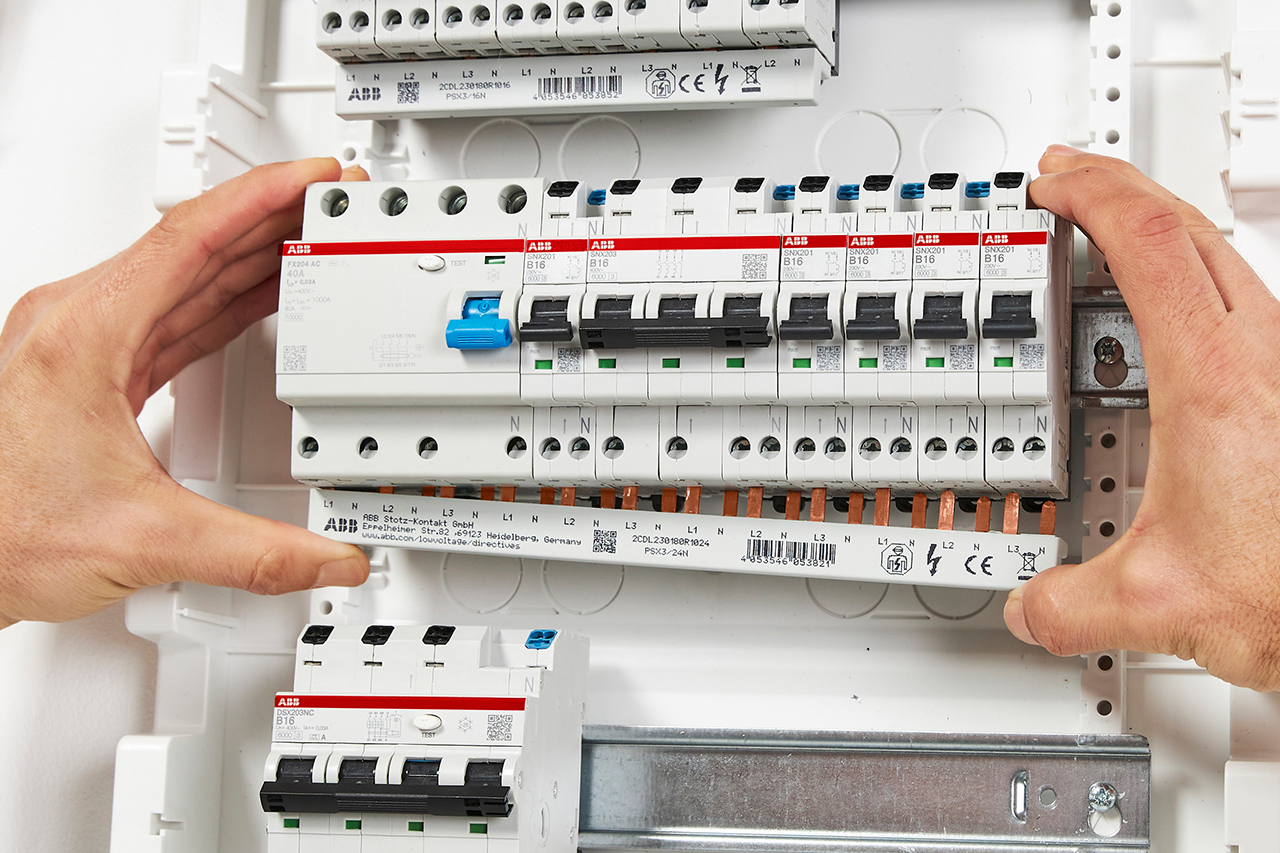
For industrial and utility applications (especially ADNOC / TAQA environments), circuit breaker selection must be based on:
| Breaking Capacity (Icu / Ics) Must exceed the prospective short circuit current at installation point Critical for preventing catastrophic failure during faults | Selectivity & Coordination Ensures discrimination between upstream and downstream devices Avoids total system shutdown |
| Rated Current (In) and Load Profile Should match system load with adequate margin Consider inrush currents (motors, transformers) | Trip Characteristics / Curves Type B, C, D curves (LV systems) Adjustable long-time, short-time, instantaneous settings (MCCB/ACB) |
| Standards & Compliance IEC 60947 (industrial) IEC 60898 (residential) Utility-specific requirements (e.g., ADNOC specifications) Applications in Critical Infrastructure | Environmental Suitability High ambient temperatures (UAE conditions) Dust, humidity, and corrosive environments IP rating and enclosure considerations |
Advanced Features:
Remote monitoring (IoT-enabled breakers)
Fault diagnostics
Communication protocols (Modbus, etc.)
Failure Risks of Improper Selection
A properly engineered circuit breaker solution enhances:
Nuisance tripping → operational downtime
Failure to trip → equipment damage / fire
Lack of selectivity → complete system shutdown
Non-compliance → rejection in project approvals (ADNOC / utilities)
Circuit breakers are a cornerstone of electrical protection systems, ensuring safe operation, fault isolation, and system reliability across all voltage levels. In high-risk environments such as oil & gas and utility networks, their selection must be driven by engineering analysis, compliance requirements, and operational conditions - not merely by cost considerations.